

If you’re looking to create a garden that attracts hummingbirds, you’re not alone. We recently asked our newsletter subscribers to share which plants their hummingbirds loved most, and the results were inspiring. Many shared their favorite plants for attracting hummingbirds year after year. Dozens of gardeners wrote in to share their personal experiences, and this list was built around their input, including many native plants and perennials beloved by hummingbirds. We also included flowering trees like desert willow – see even more in our post on beautiful spring-blooming trees. We’ve also added a few tried-and-true favorites based on our own research to round out the list.

Some of the most commonly mentioned plants were old standbys like salvia and bee balm, while others surprised us with regional favorites and even flowering trees. Whether you’re building a new hummingbird garden or looking to add a few more irresistible blooms, these are some of the best plants to consider. There’s something here for every zone and garden size.
A quick note on affiliate links and finding these plants for your own garden: We did our best to only include plants you could actually purchase for your own garden. These range from garden center staples to more rare and unusual plants you’re more likely to find from individual growers on sites like Etsy. Each link should provide a source that sells the plant. If you can’t find a plant, or it’s out of stock, be sure to reach out so we can help you on your search! Please know that many of the links included are affiliate links, meaning we may receive a small commission at no extra cost to you.
Reader-Recommended Plants That Attract Hummingbirds
These are the plants submitted directly by readers, many of them shared with personal experience from their own gardens.
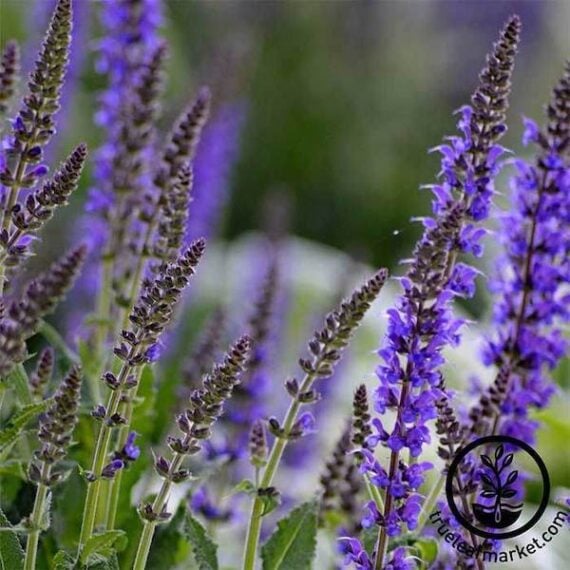
Salvia
A hummingbird classic, salvia comes in dozens of varieties, many with rich tubular flowers in red, blue, or purple. It’s a dependable nectar source across zones. Salvia is a sage plant, though not the herb you may typically think of.
Photo Source: True Leaf Market
“Hummingbirds like daffodils, salvia, fuchsias, hibiscus, and honeysuckle. But in my garden, it’s salvia and fuchsias they come back for again and again.”
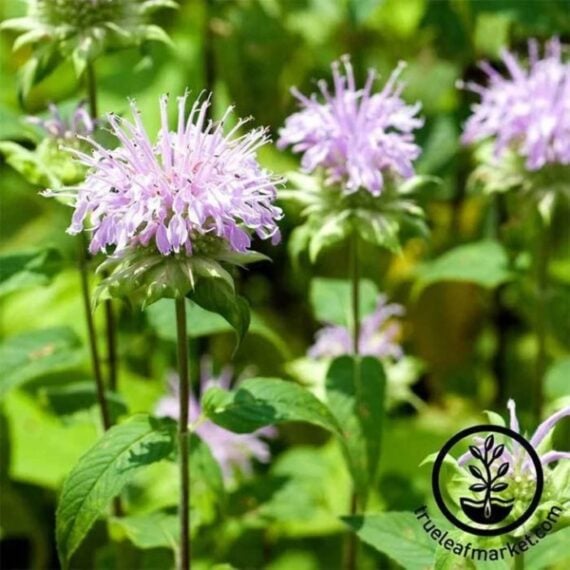
Bee Balm (Monarda)
With its spiky blooms and minty scent, bee balm is a pollinator favorite and a hummingbird magnet. As a native perennial and member of the mint family, it plays a valuable role in many hummingbird gardens. This native perennial thrives in full sun and moist, well-drained soil.
Photo Source: True Leaf Market
“Red bee balm and cardinal flower are the most visited plants in my garden each year.”
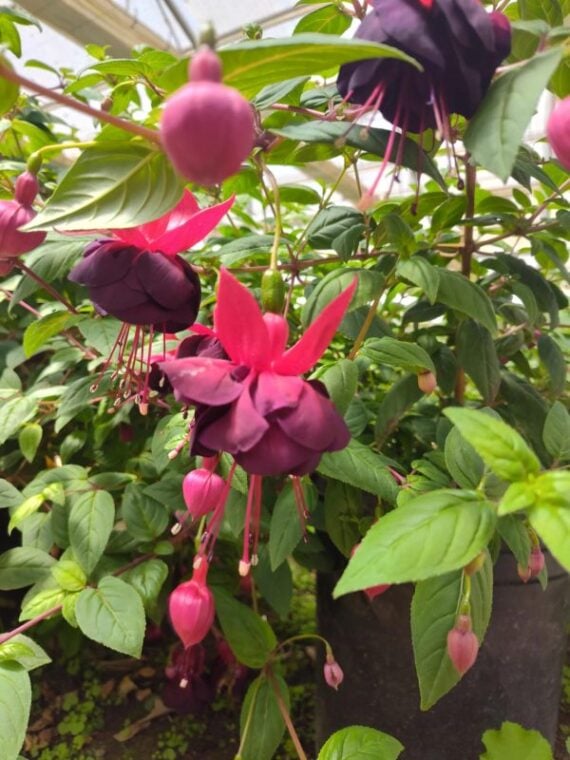
Fuschia
Especially in cooler or shadier gardens, fuchsia’s drooping red flowers are a hummingbird favorite. This year, now that I’m in a cooler climate, I finally get to have a fuchsia plant in a hanging basket just outside my kitchen window. I can’t wait to watch the hummingbirds up close!
Photo Source: Etsy
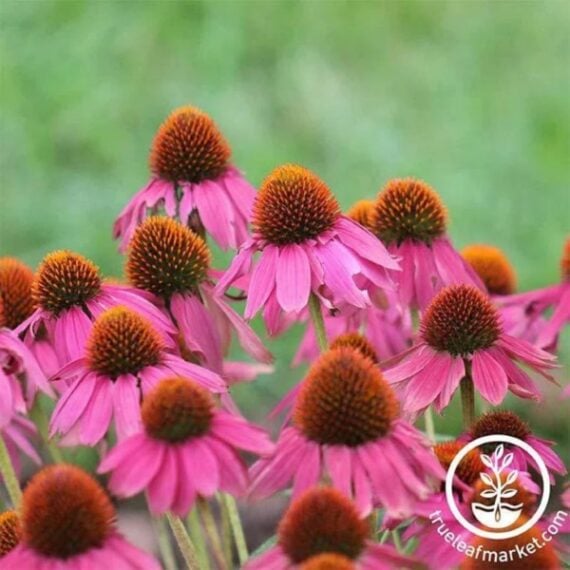
Coneflower (Echinacea)
While not their top nectar choice, hummingbirds do stop by coneflowers, especially for insects and later seeds.
Photo Source: True Leaf Market
“Coneflowers attract hummingbirds! I planted them for bees, but the hummingbirds love them too.”
Butterfly Bush (Buddleia)
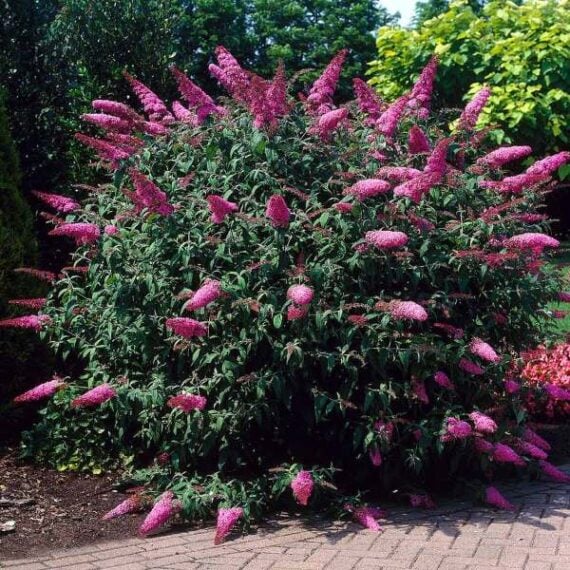
Butterfly Bush (Buddleia)
This fragrant flowering shrub attracts butterflies and hummingbirds alike. Newer sterile cultivars are especially good choices. They help prevent the plant from becoming invasive while still offering nectar for pollinators.
Photo Source: Fast Growing Trees
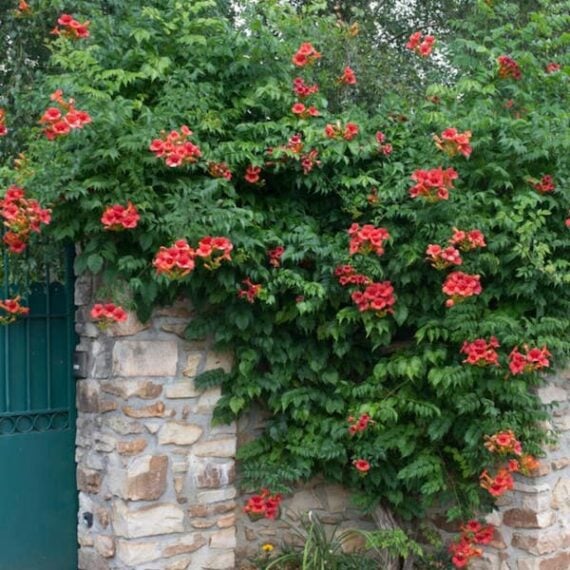
Trumpet Vine (Campsis radicans)
With long, tubular-shaped flowers in vibrant red-orange hues, this vine can quickly cover fences or trellises. It’s a favorite among the ruby-throated hummingbird, the most common species of hummingbird in North America. Though it is not invasive (it’s actually native to the Eastern U.S.), it can grow quite aggressively, so keep this in mind when choosing a location for this vine. The Etsy seller I’ve linked includes lots of helpful info in the details of their product page!
Photo Source: Etsy
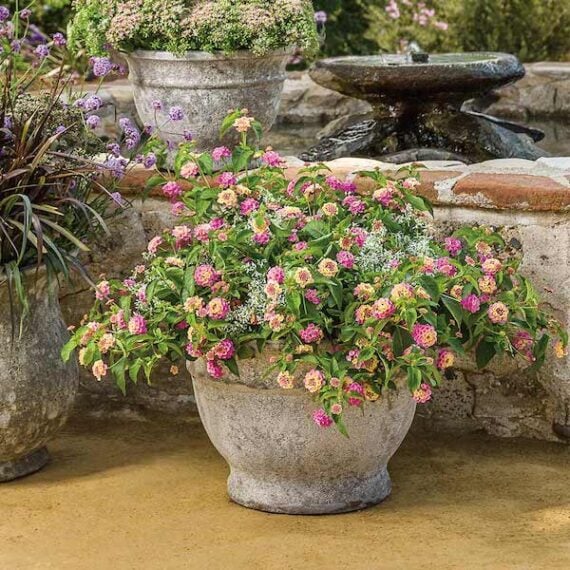
Lantana
A heat- and drought-tolerant annual or perennial, lantana clusters come in bright shades that draw in hummingbirds and butterflies. Lantana also happens to be one of my favorite plants for hanging baskets, and it’s usually easy to find at local garden centers.
Photo Source: Fast Growing Trees
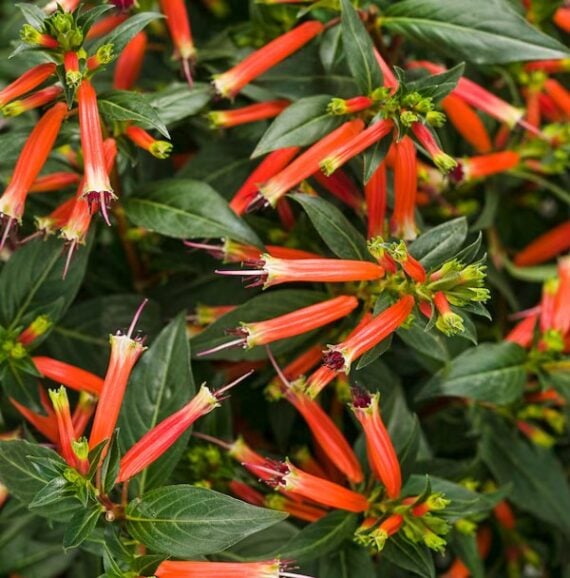
Cuphea ‘Vermillionaire’
This compact plant explodes with tubular orange flowers all summer. It’s an excellent annual for warm regions and thrives in full sun.
Photo Source: Lowe’s
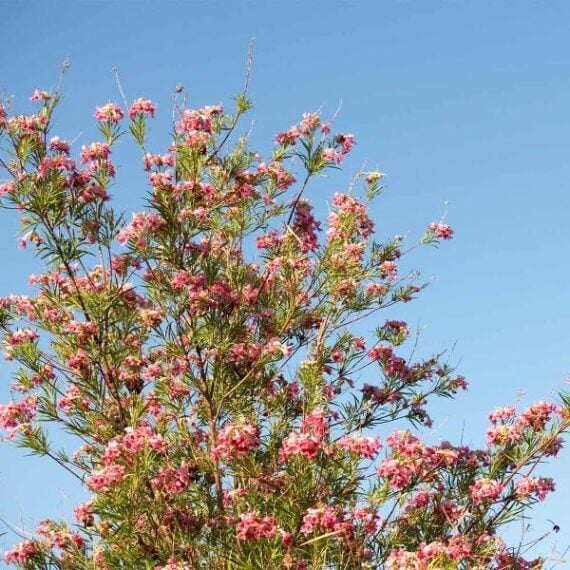
Desert Willow (Chilopsis linearis)
A reader favorite and regional superstar for dry climates.
Photo Source: Fast Growing Trees
“I have a desert willow that is always covered with magenta blooms and hummingbirds.”
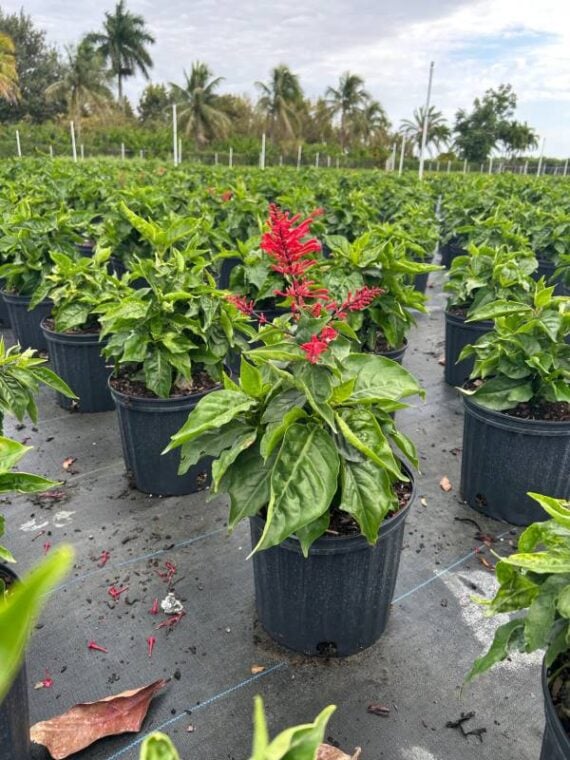
Firespike
In warmer zones, this tropical plant with tall red flower spikes draws in hummingbirds well into fall.
Photo Source: Etsy
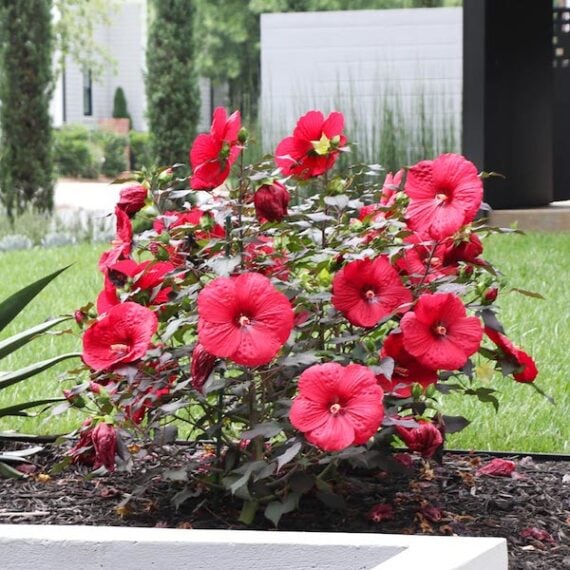
Hibiscus
Hummingbirds love to visit these giant tropical flowers. With those giant, bright blooms, they’re pretty hard to miss! Hibiscus come in a variety of colors from blush pink, to purple, and deep magenta like this one. Though they’re known as tropical plants, you can find hardy varieties- in fact, this one is advertised as hardy even down to zone 4!
Photo Source: Fast Growing Trees
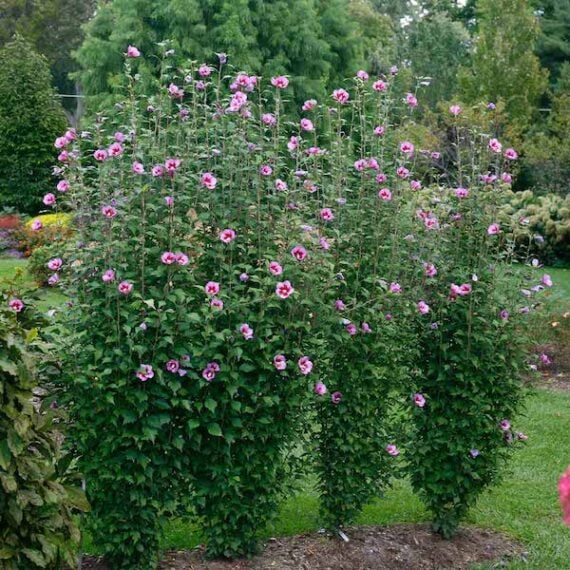
Rose of Sharon (Hibiscus syriacus)
A cold-hardy type of hibiscus shrub that blooms later in summer when other food sources are fading, this is another great option if you love the large, showy blooms of hibiscus plants. Rose of Sharon are a category of hibiscus that tend to be more cold hardy, and can grow quite tall like the ones pictured here.
Photo Source: Fast Growing Trees
“Hummingbirds love the Rose of Sharon in my yard. They nest close by every year.”
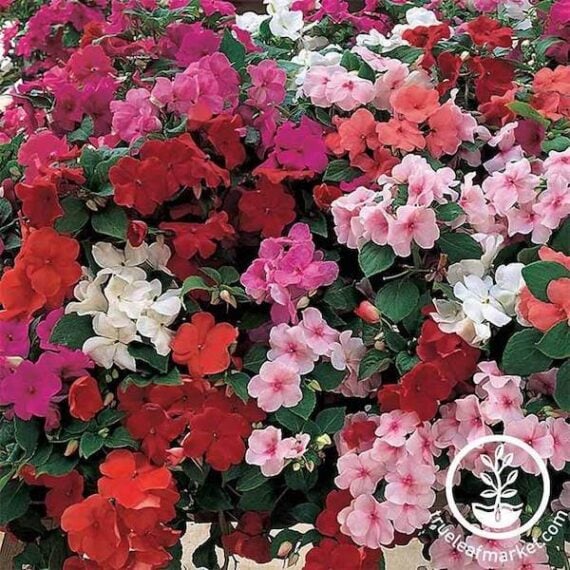
Red Impatiens
Especially when planted en masse, red impatiens provide easy-access nectar in shady spots. Impatiens come in lots of colors, but one subscriber specifically noted her red impatiens were a hummingbird favorite.
Photo Source: True Leaf Market
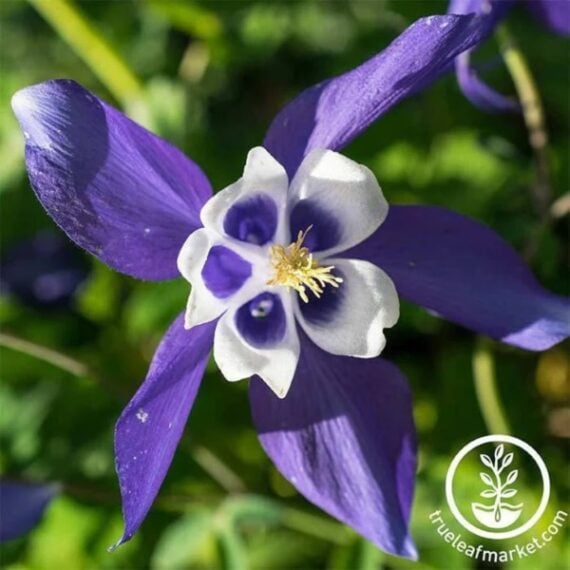
Columbine (Aquilegia)
An early-season bloomer with nodding tubular-shaped flowers in red and yellow that hummingbirds love.
Photo Source: True Leaf Market
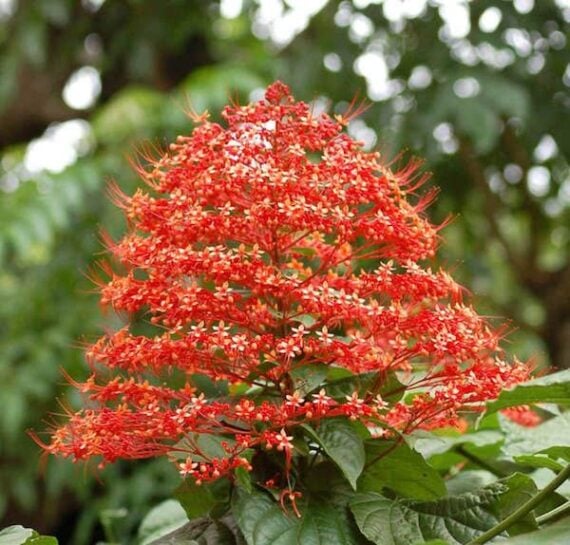
Pagoda Plant (Clerodendrum paniculatum)
Its showy flower towers are a magnet for hummingbirds in the southeastern United States. In warm, humid climates, it can spread aggressively and may be invasive, so consider planting it in containers or monitoring its spread closely.
Photo Source: Etsy
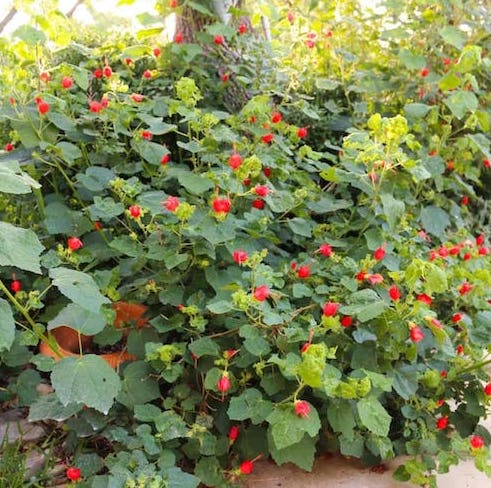
Turk’s Cap (Malvaviscus arboreus)
This native plant produces red, curled blooms perfect for hummingbird feeding and thrives in partial shade and moist soil.
Photo Source: Etsy
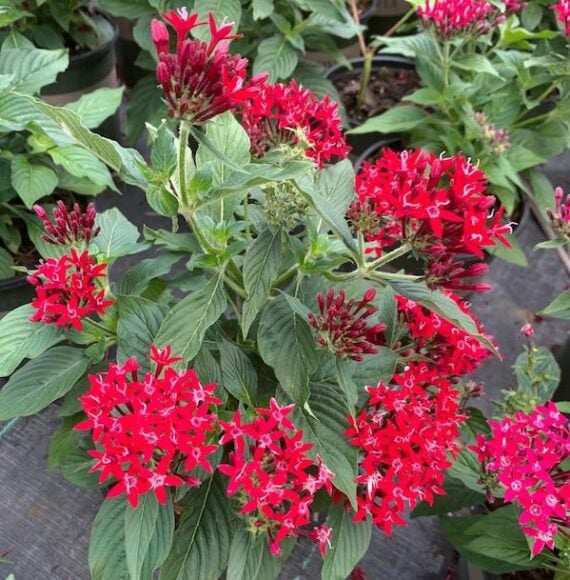
Pentas (Pentas Lanceolota)
Bright flower clusters make pentas a reliable hummingbird and butterfly favorite in warm zones. They’re often used in a butterfly garden alongside nectar-rich plants.
Photo Source: Etsy
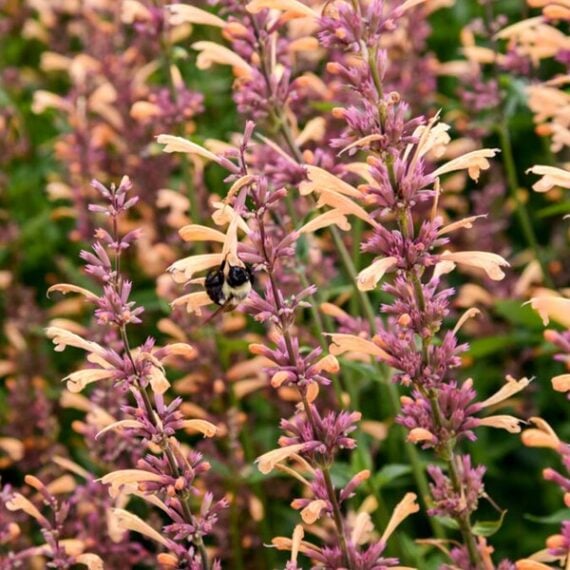
Agastache
Also known as hummingbird mint, this aromatic plant is a hummingbird favorite for a reason. It’s one of the most reliable long-blooming perennials for attracting them throughout the summer. It’s also a great fit for dry gardens, and if that’s what you’ve got, more suggestions can be found in our roundup of drought-tolerant perennials.
Photo Source: Fast Growing Trees
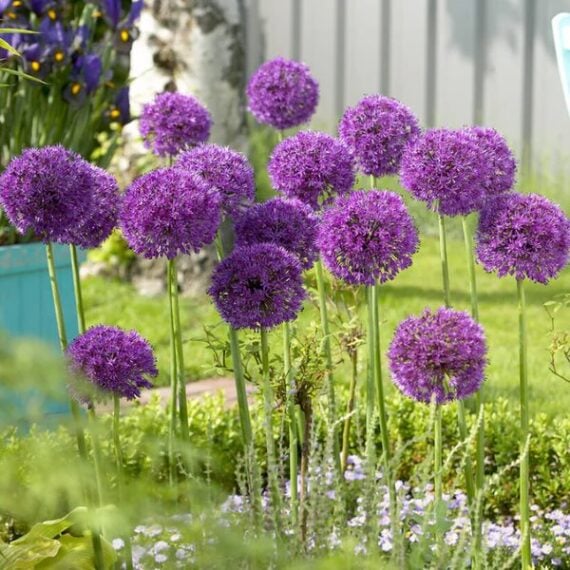
Allium
Ornamental alliums offer natural nectar and act as a landing spot when few other blooms are open.
Photo Source: Eden Brothers
Essential Plants for a Thriving Hummingbird Garden
These are research-backed winners—hummingbirds love them, and they’re relatively easy to find at local garden centers and hardware stores.
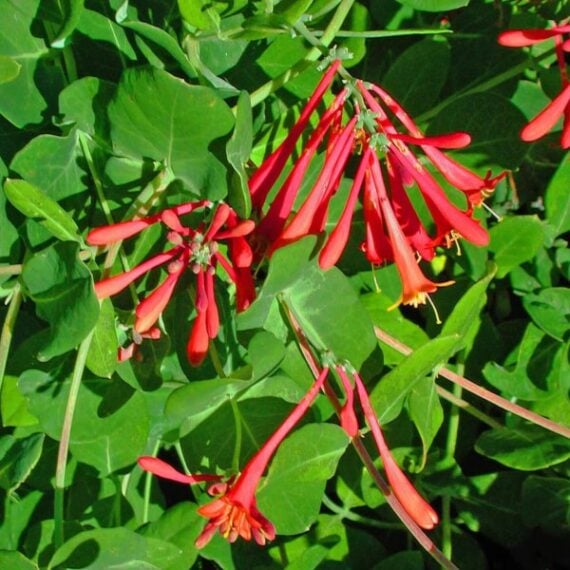
Coral Honeysuckle (Lonicera sempervirens)
Unlike typical honeysuckle, this native plant has showy red blossoms that are perfect for catching the eyes of hummingbirds. They practivally look like they belong on a hummingbird feeder!
Photo Source: Etsy
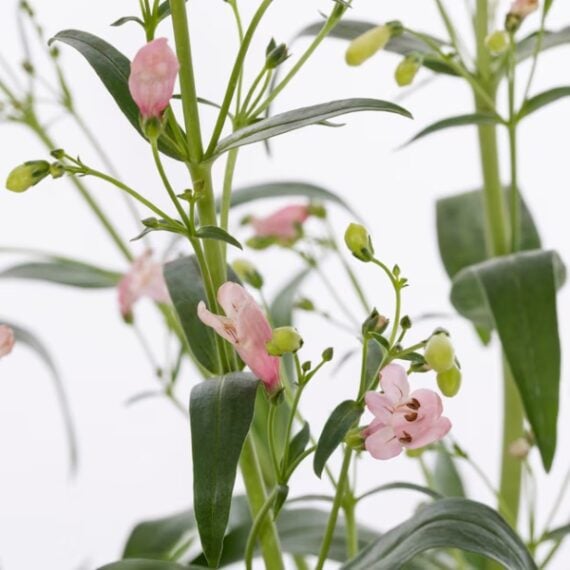
Penstemon (Beardtongue)
The tall flower spikes of penstemon offer rich nectar and a great landing pad for hummingbirds.
Photo Source: Lowe’s
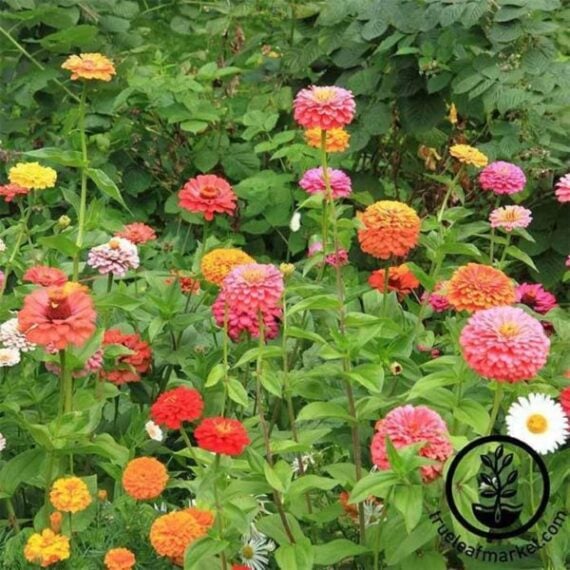
Zinnia
Bright, cheery, and easy to grow from seed. Hummingbirds often visit zinnias in mixed beds. They’re a cheerful addition to any pollinator-friendly space—see more ideas in our post on bringing in the butterflies. I’ve even seen them zipping from bloom to bloom in my own garden.
Photo Source: True Leaf Market
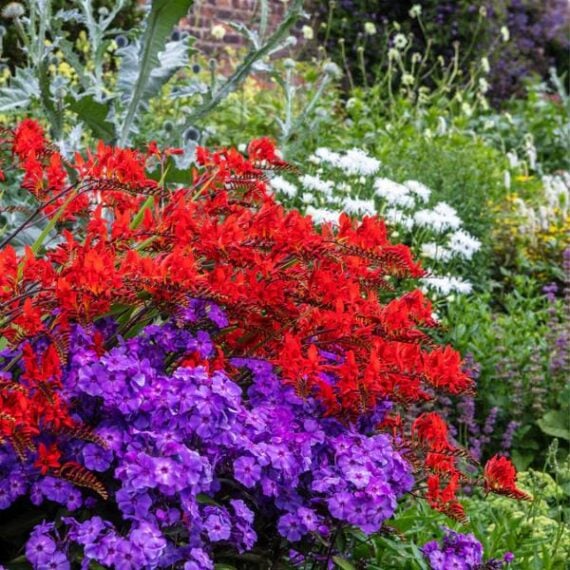
Crocosmia ‘Lucifer’
This dramatic flowering plant puts out fiery red blooms on arching stems and prefers full sun and well-drained soil.
Photo Source: Eden Brothers
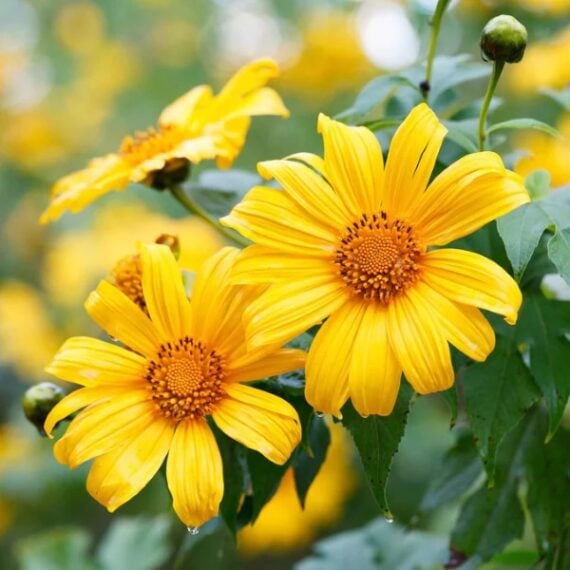
Tithonia (Mexican Sunflower)
Big, bright orange blooms and tall stalks make this an excellent cut flower and hummingbird magnet. Tithonia grows best in full sun and well-drained soil.
Photo Source: Eden Brothers
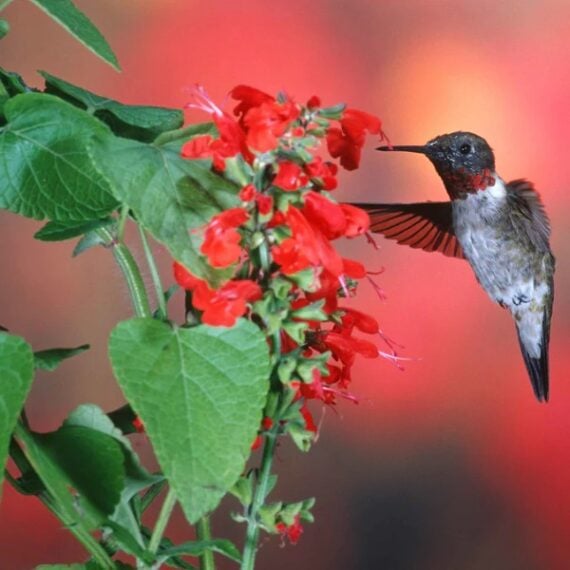
Scarlet Sage (Salvia coccinea)
A red-blooming annual salvia that reseeds itself in many regions and thrives in full sun conditions. Source: Lady Bird Johnson Wildflower Center
Photo Source: Eden Brothers
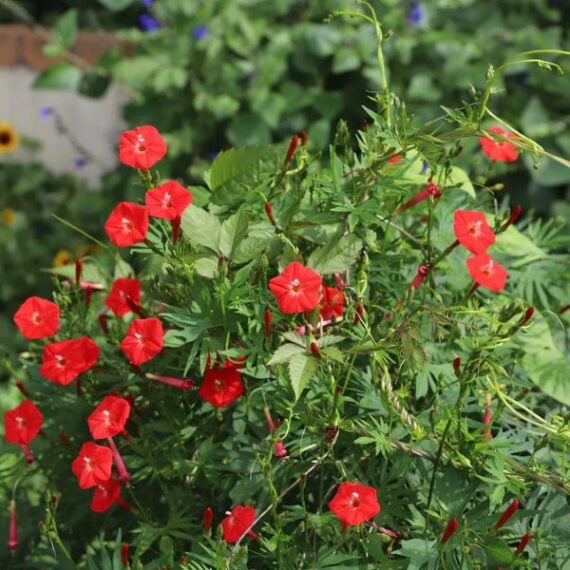
Cardinal Climber (Ipomoea x multifida)
A vine with feathery foliage and small scarlet trumpet blooms—ideal for attracting a range of species of hummingbirds.
Photo Source: Eden Brothers
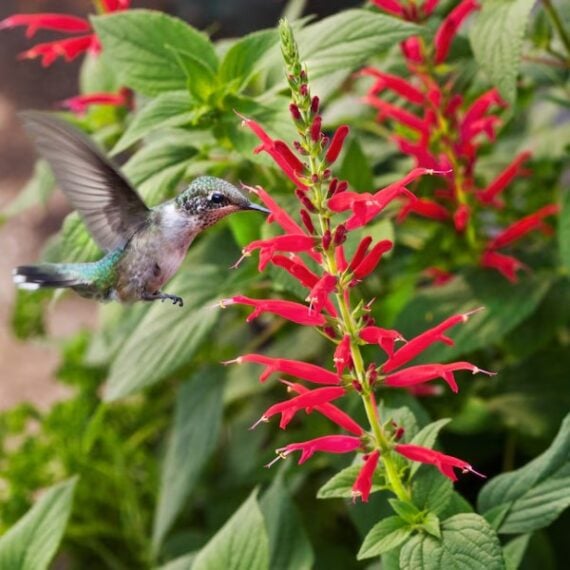
Pineapple Sage (Salvia elegans)
A fall-blooming favorite with red flowers and pineapple-scented leaves. I had pineapple sage in flower pots last year, and the hummingbirds were constantly feeding off them—morning, noon, and evening. Definitely one of the most active plants in my whole garden. Source: NC State Extension
Photo Source: Lowe’s
More Great Additions for Diversity and Bloom Time
But wait… there’s more! We’ve gotten through the suggestions from readers, and listed the most commonly suggested plants you get with a quick Google search for These are beautiful, easy-to-grow, and extend your bloom season.
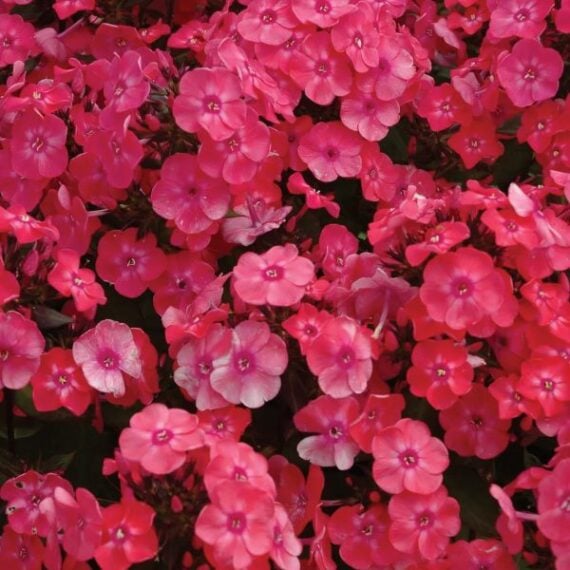
Phlox Paniculata (Garden Phlox)
Tall, late summer blooms in pinks and purples that hummingbirds enjoy.
Photo Source: Burpee
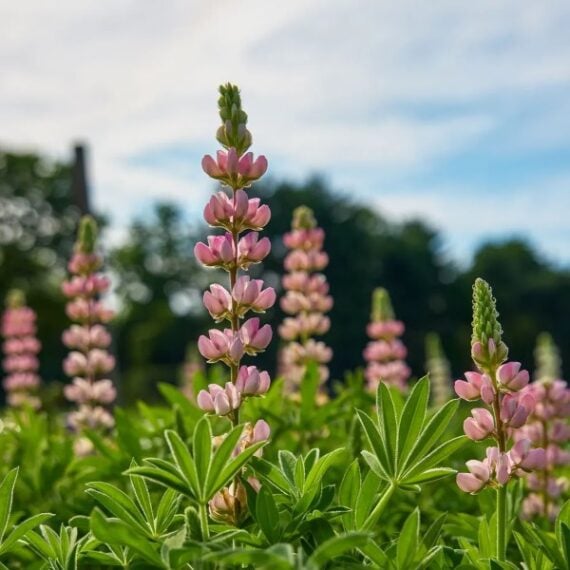
Lupine
Tall spikes of flowers in a range of colors. Lupine prefers cool climates and well-drained, slightly acidic soil.
Photo Source: Burpee
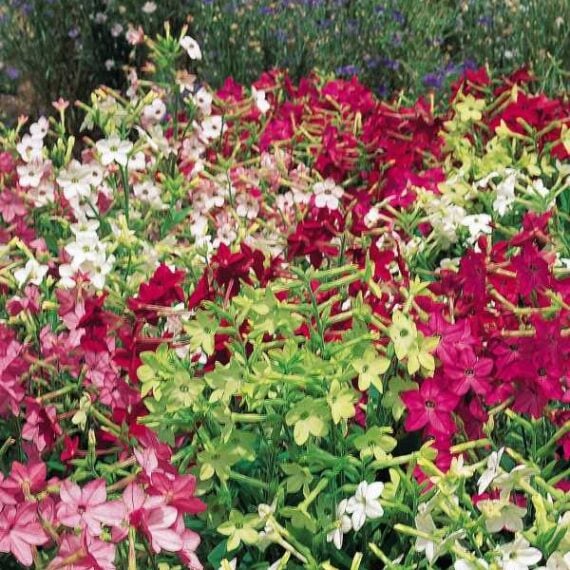
Nicotiana (Flowering Tobacco)
Evening-scented tubular flowers perfect for hummingbirds and a great option near a hummingbird feeder.
Photo Source: Burpee
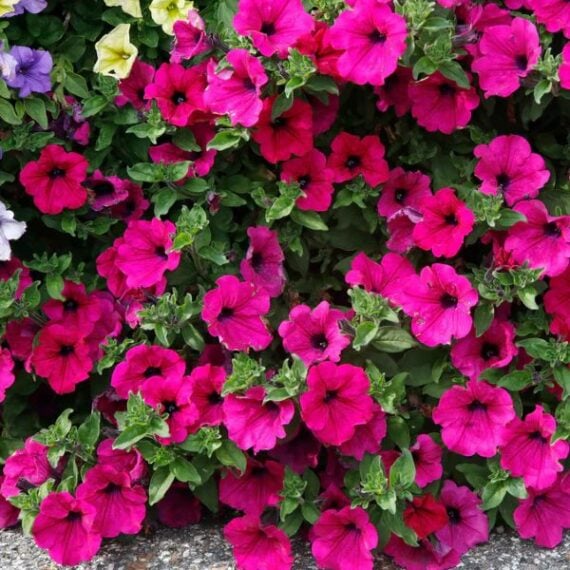
Petunia
While not nectar-rich, red petunias are still visited often—especially in containers.
Photo Source: Eden Brothers
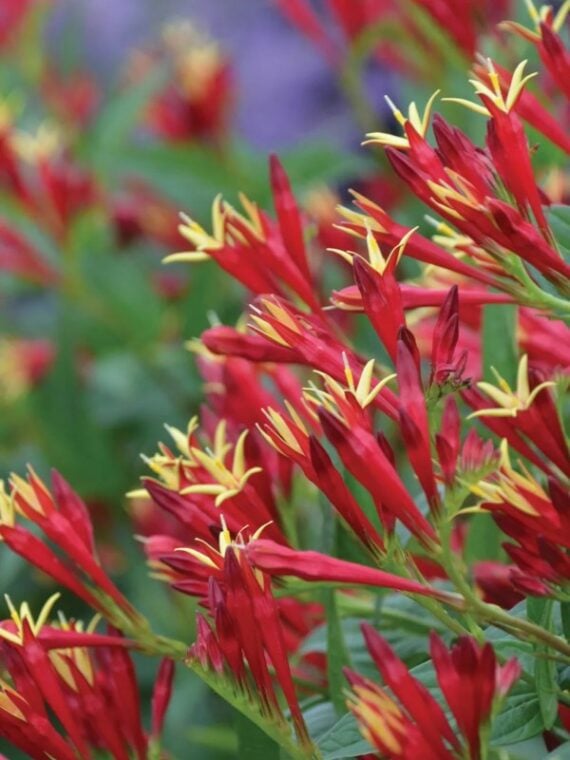
Indian Pink (Spigelia marilandica)
A native wildflower with red tubular blooms tipped in yellow. This adaptable plant can grow in full sun or in full shade – so if you’re looking to add some color with perennial flowers that thrive in shade, this could be a great choice for your garden!
Photo Source: Burpee
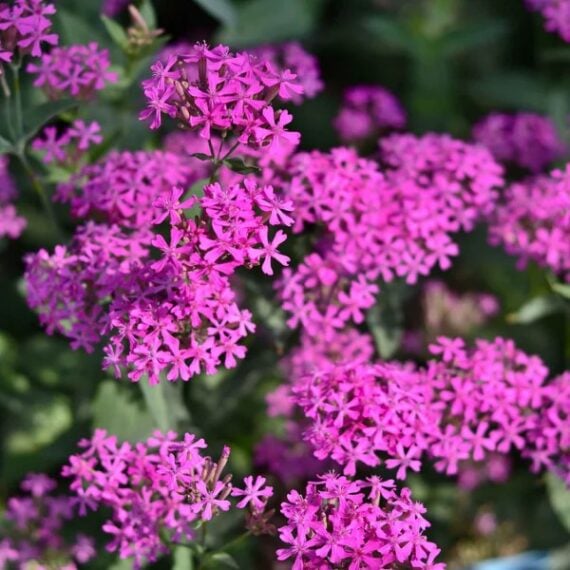
Silene (Catchfly)
Red-flowered varieties attract hummingbirds and grow well from seed. Silene prefers full sun and tolerates poor soils.
Photo Source: Eden Brothers
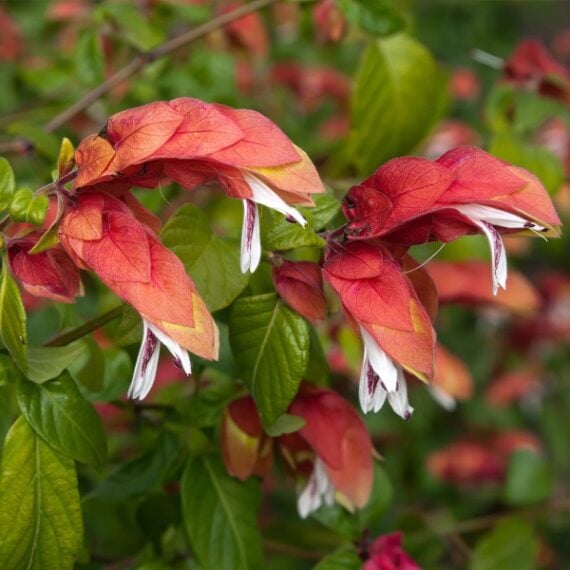
Shrimp Plant (Justicia brandegeeana)
Oddly shaped bracts that bloom for months in warmer climates. This subtropical plant prefers part shade and consistently moist soil.
Photo Source: Fast Growing Trees
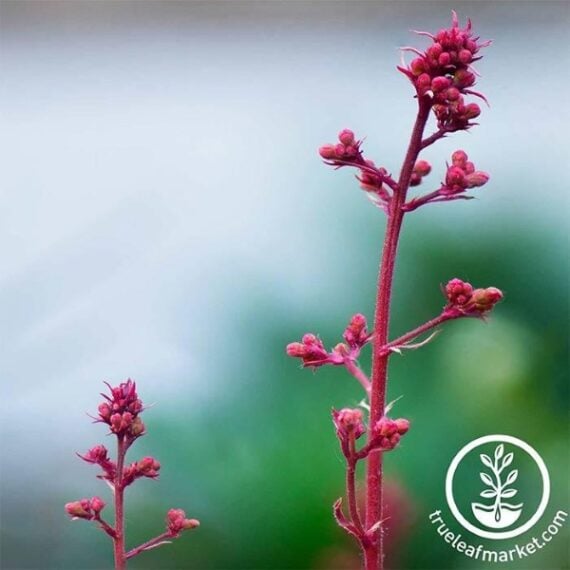
Coral Bells (Heuchera)
Especially the red- or pink-blooming varieties—plus they add great foliage. This is another plant we’ve included in selections for shaded gardens.
Photo Source: True Leaf Market
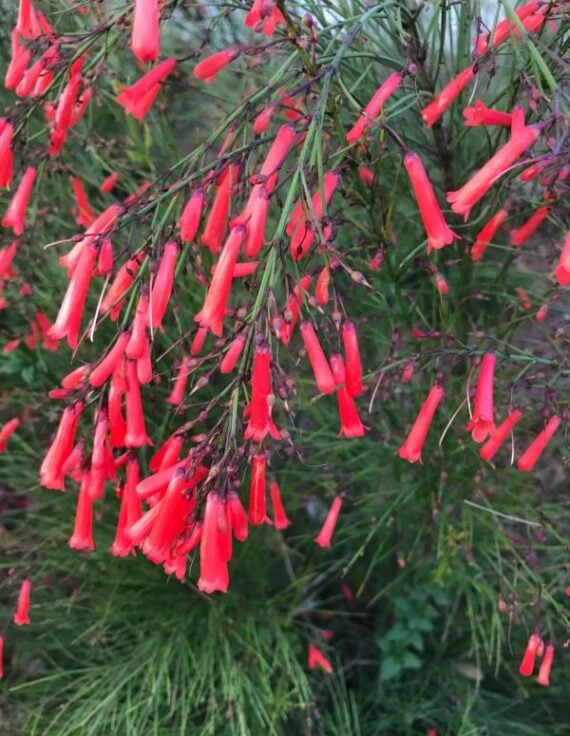
Manettia (Firecracker Vine)
Tiny red flowers that hummingbirds adore, especially when planted near a hummingbird feeder. Great for containers.
Photo Source: Etsy
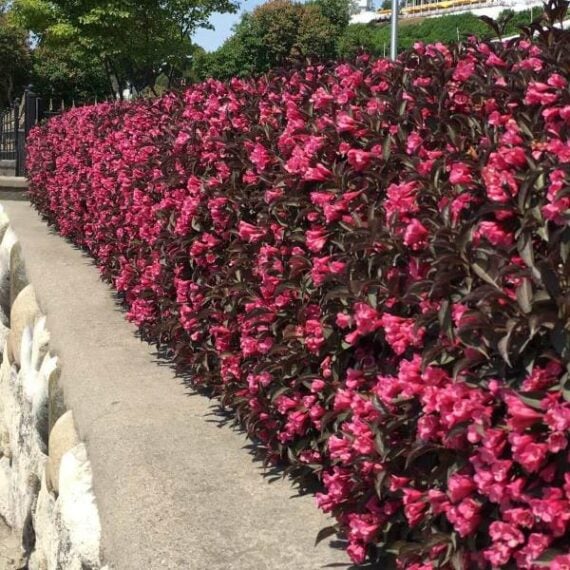
Weigela
An easy-care flowering shrub with trumpet-shaped pink blooms in spring and summer. Weigela thrives in full sun and well-drained soil.
Photo Source: Fast Growing Trees
Attract More Hummingbirds: What to Plant Next
This list will give you a strong start no matter your zone, but if you’re ready to go deeper, check out our tips to make your garden a hummingbird haven. And then, continue to make your garden into a wildlife oasis! Make a DIY bird feeder, build a beautiful DIY bird bath, or focus on companion planting and bringing in beneficial insects! Oh, and if this all sounds like your kind of gardening, you may want to check out permaculture gardening principles for even more ideas!
very good information — thank you John